
Industry News
The Truth About Chinese Used Trucks: What Most Buyers Don’t Know
If you are a fleet operator, contractor, or logistics manager in Africa, you already know how tempting a used Chinese truck is. Seeing rows of glossy, freshly painted Sinotruk HOWO 371s or Shacman tippers at an import yard for a fraction of the cost of a new machine makes the decision look like a no-brainer.
But behind that shiny new layer of export paint lies a hidden matrix of quality. Most buyers think they are choosing between "New" and "Used." In reality, the Chinese export market is divided into three completely different tiers: Standard Used, Fake Refurbished, and Genuine Remanufactured.
Understanding these differences is what separates a highly profitable transport business from an operational nightmare.
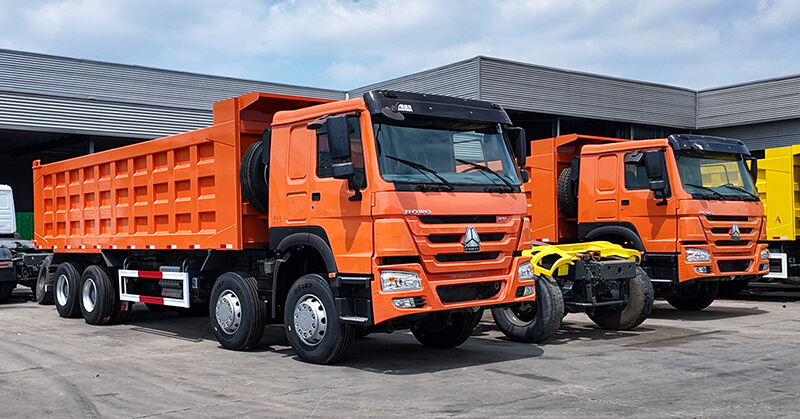
The Three Tiers of Chinese Used Trucks
To protect your investment, you must understand exactly how these three types of trucks are processed and delivered.
1. Standard Used Trucks ("As-Is" Stock)
These trucks are purchased directly from Chinese construction sites or logistics companies and put straight into shipping containers. They are sold in their raw, untouched condition with dirty oil, worn tyres, and transparent mechanical wear. They are the cheapest trucks on the market.
2. Fake Refurbished Trucks (The "Makeup" Trap)
This is the most dangerous tier, often sold by unverified brokers. The process is purely cosmetic. The engine, transmission, and chassis are heavily worn, but the exporter gives the truck a cheap layer of glossy spray paint, cleans the cabin, and installs a fake odometer. Underneath sits a dying machine with over a million kilometers on it.
3. Genuine Remanufactured Trucks (Factory Rebuilds)
These trucks are processed in professional manufacturing facilities. The vehicle is completely stripped down to the bare steel chassis frame. The engine and transmission are opened, inspected, and rebuilt using brand-new, genuine OEM components. It receives a brand-new cabin interior, new wiring harnesses, and 100% new tyres.
Side-by-Side Comparison: What Are You Actually Buying?
|
Feature |
Standard Used ("As-Is") |
Fake Refurbished (Cosmetic) |
Genuine Remanufactured (Factory) |
|
Engine & Gearbox |
Untouched; hidden internal wear. |
Untouched; covered in fresh paint to hide oil leaks. |
Fully disassembled and rebuilt with new OEM parts. |
|
Electrical System |
Aged and brittle wiring. |
Aged wiring; high risk of short circuits under African heat. |
100% brand-new wiring harnesses installed. |
|
Tyres & Cabin |
Worn out; needs instant replacement. |
Cheap, used tyres; cosmetic plastic cabin cleanup. |
Brand-new tyres; brand-new cabin interior. |
|
Business Impact |
Predictable Risk: Low price, you expect to fix it yourself. |
Disaster: High price for a truck that breaks down within 3 months. |
High Profit: Near-zero downtime; performs like a new truck. |
How to Spot the "Makeup" Trap Before You Buy
To protect your hard-earned cash flow, evaluate your next purchase through these three critical angles:
1. Evaluate the Supplier Type
- The Fake Trap: You are dealing with independent trading agents or small, unregulated repair shops with zero specialized testing equipment. Once the shipping container leaves port, they disappear.
- The Genuine Standard: Legitimate trucks come from certified remanufacturing factories with advanced diagnostic bays. They have established brands to protect, offer formal warranties, and provide real after-sales parts support.
2. Analyze the Price Logic
- The Fake Trap: The supplier offers a pristine-looking truck with "overhauled" components, yet the price is suspiciously low ($13,000–$16,000 USD). In logistics, you cannot buy premium quality at scrap prices. If the price is too low, they cut massive corners internally to preserve their profits.
- The Genuine Standard: A true factory-remanufactured truck commands a realistic premium over raw used stock. While it saves you up to 50% compared to a brand-new truck, its price fairly reflects the cost of authentic OEM parts and factory labor.
3. Demand Proof of the Rebuilding Process
- The Paint Over-Spray: Check under the chassis. Fake refurbishers spray glossy paint right over greasy oil seals, rusted bolts, and old rubber hoses without cleaning them. Genuine remanufacturing strips the frame completely before applying proper anti-corrosion coatings.
- Electrical & Component Transparency: Ask for engine compression test sheets and wiring specs. Fake trucks keep old, brittle wiring that easily catches fire in harsh terrains. Genuine factory builds pull out old systems completely to install a 100% brand-new wiring harness, and will gladly provide a serialized list of replaced internal engine parts.
Either buy a raw, un-furbished Standard Used truck at a rock-bottom price and rebuild it yourself, or invest in a Genuine Factory Remanufactured unit from a verified industrial partner. Force your supplier to prove their quality through their facility standards, realistic pricing, and technical documentation—because your business survival depends entirely on the mechanical truth underneath the paint.
Categories
Latest News
Contact Us
Contact: Snailtruck
Email: snailtruck@snailtruck.com
Phone/Whatsapp: +86 18705477225
Add: NO.168 Quanpu Town, Liangshan County, Jining City, Shandong Province, China
 snailtruck